




Every January, millions of people commit to a “Dry January” — a month without alcohol. The benefits are real: better sleep, improved energy, and lower liver stress. But many people pair Dry January with extreme detoxes or restrictive cleanses that may backfire. The good news? Supporting your liver doesn’t require extremes. Simple, steady habits — hydration, fiber, leafy greens, movement, and restorative sleep — give your body the reset it’s looking for.
This guide explains how to support your liver during Dry January in a way that’s balanced, sustainable, and evidence-based.
Why the Liver Matters
The liver is your body’s main detox organ. It processes alcohol, environmental toxins, hormones, and metabolic byproducts. When overloaded, the liver struggles to keep up, leading to fatigue, inflammation, and poor metabolic control (NIH).
- Alcohol metabolism: Even moderate drinking increases oxidative stress and inflammation in liver cells.
- Everyday detox: The liver filters ~1.5 quarts of blood per minute, breaking down fats, sugars, and toxins.
- Repair window: Alcohol-free periods allow liver cells to repair and regenerate.
👉 For more background, see Detox 101.
Hydration: The Simplest Reset
Alcohol dehydrates — so rehydration is one of the fastest ways to feel better.
- Aim for half your bodyweight (lbs) in ounces of water daily as a baseline.
- Add electrolytes if you’re active or sweating heavily.
- Herbal teas (dandelion, ginger, chamomile) provide hydration with gentle liver support.
Fiber & Leafy Greens
Fiber and phytonutrients support detox pathways and balance blood sugar.
- Soluble fiber: Oats, beans, flax bind toxins and cholesterol for elimination (Mayo Clinic).
- Leafy greens & crucifers: Kale, spinach, broccoli, arugula provide antioxidants and compounds that activate liver enzymes.
- Citrus & berries: Rich in vitamin C and polyphenols that support repair.
👉 For gut-liver synergy, see Gut Health 101.
Movement & Sleep for Repair
Liver support isn’t just about food — lifestyle habits matter:
- Movement: Exercise improves insulin sensitivity and reduces fat accumulation in the liver (NIH).
- Sleep: During deep sleep, the body repairs tissues and regulates hormones. Poor sleep raises liver stress and inflammation.
- Stress buffers: Meditation, breathing, and nature time lower cortisol, protecting metabolic health.
👉 For details, see Sleep 101.
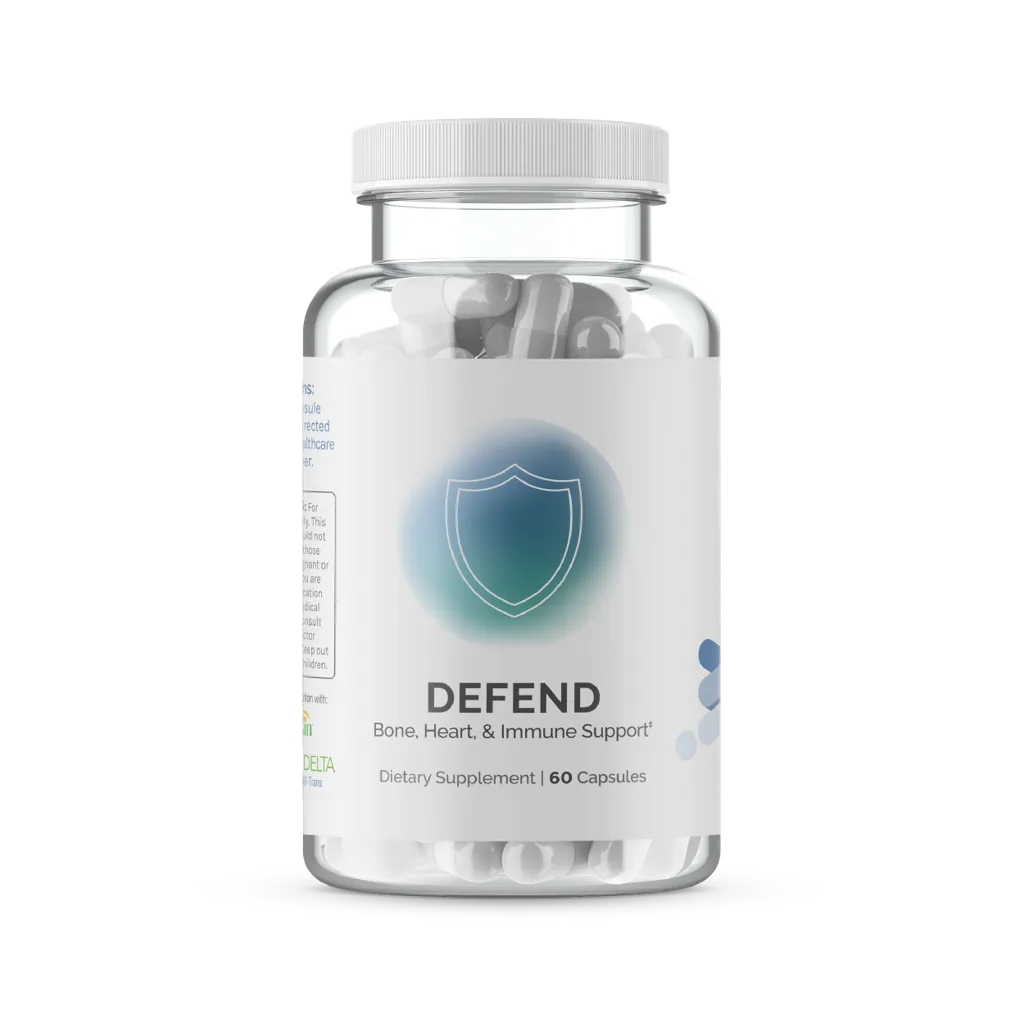
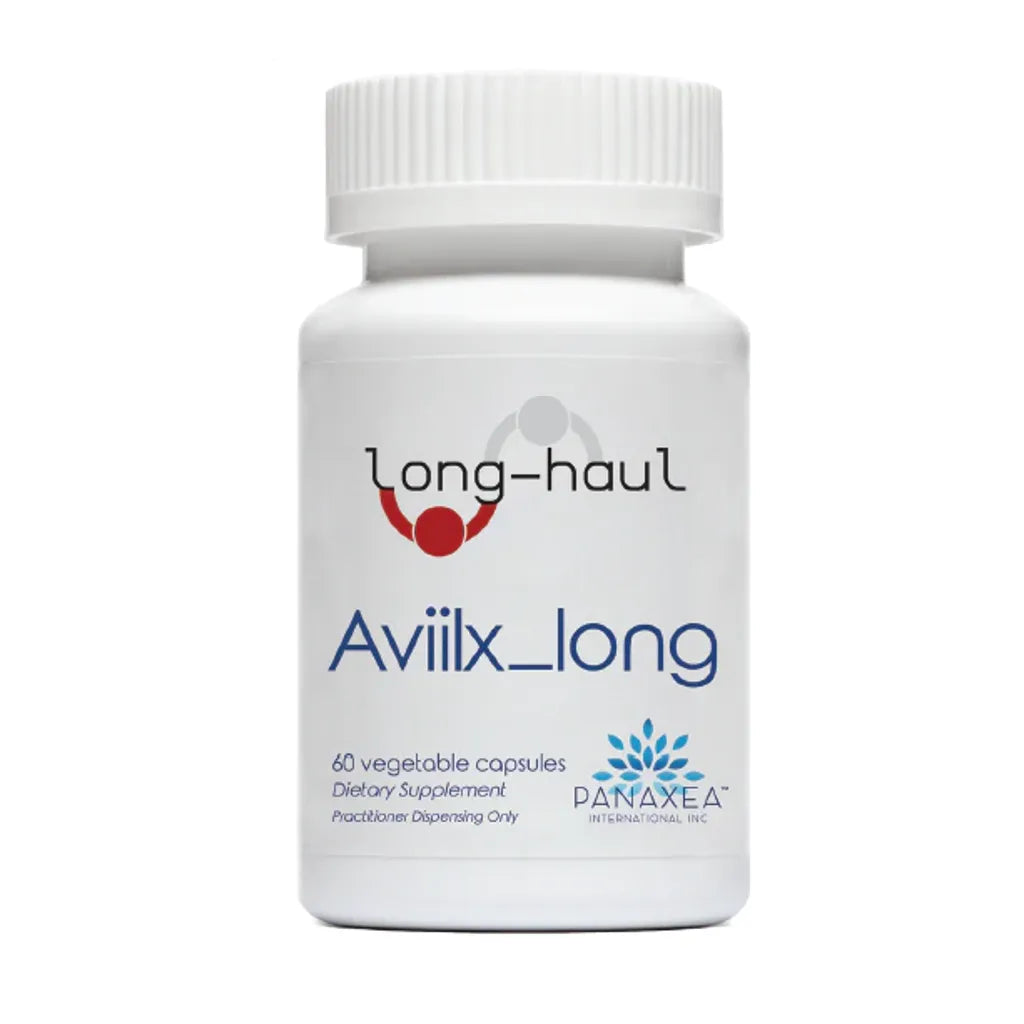
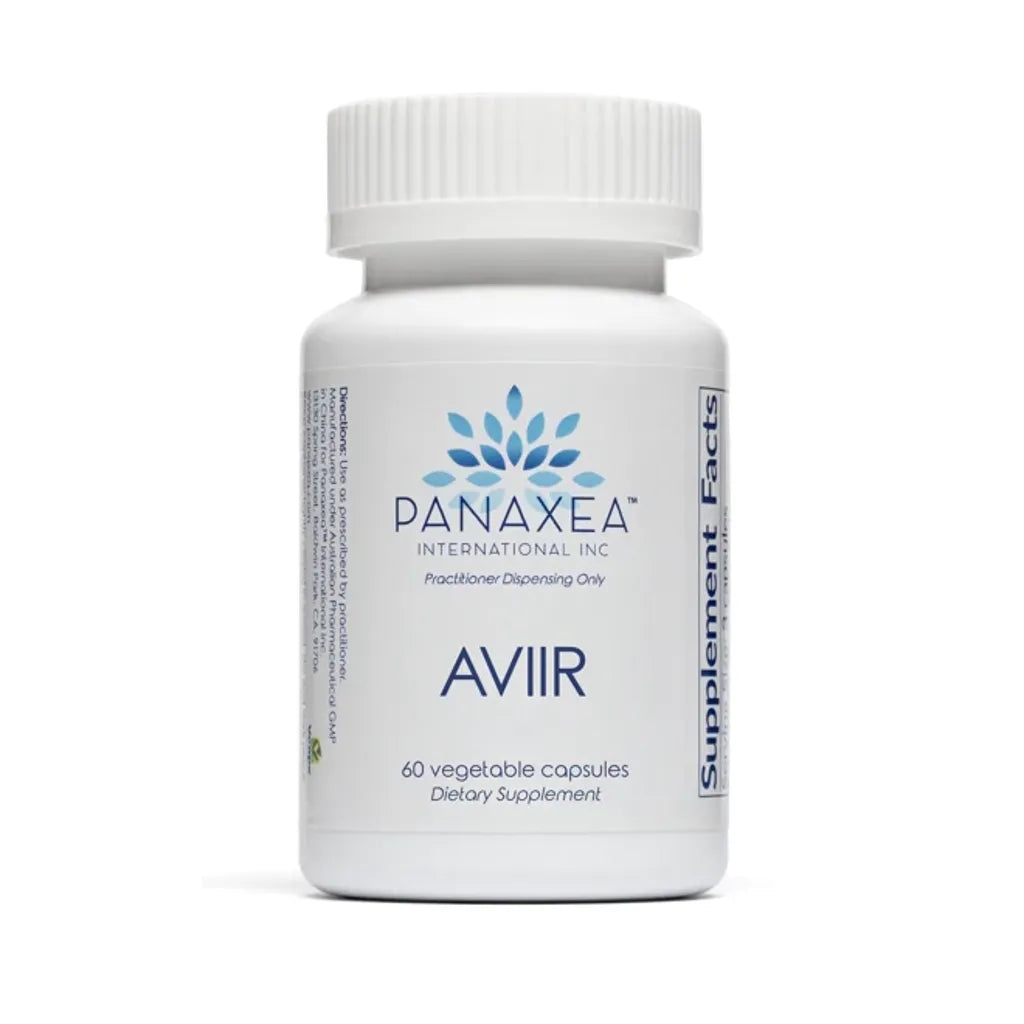
Supplements: NAC & Milk Thistle
While food and lifestyle come first, certain supplements have been studied for liver support:
- N-acetylcysteine (NAC): Precursor to glutathione, the body’s master antioxidant, shown to support detox and reduce oxidative stress.
- Milk thistle (silymarin): Long used for liver support; evidence suggests benefits in reducing inflammation and improving enzyme levels (NIH).
These are adjuncts, not replacements. If you use supplements, choose high-quality brands and consult a professional — especially if taking medications.
Why Extreme Detoxes Can Backfire
Juice fasts, harsh cleanses, or supplement megadoses can stress the body more than help. Risks include nutrient deficiencies, blood sugar crashes, and GI distress. True detox happens in the liver every day; your job is to provide steady fuel and recovery.
FAQs
Q: How quickly does the liver recover after stopping alcohol?
A: Improvements in liver enzymes and inflammation markers can occur within weeks of abstinence, though full repair may take longer depending on history.
Q: Do I need to follow a detox diet in January?
A: No. Balanced meals with plants, protein, and hydration are more effective than extreme cleanses.
Q: Are mocktails okay during Dry January?
A: Yes — as long as they aren’t overloaded with sugar. Sparkling water with citrus or herbs is a great option.
Q: Can I drink again after January without undoing progress?
A: Moderate drinking (within recommended limits) may be fine for many, but continuing healthier routines (hydration, fiber, greens, movement) keeps the benefits going.
Practical Takeaways
- Hydrate well — water and electrolytes reset your system.
- Eat fiber-rich foods, leafy greens, and antioxidant plants.
- Prioritize movement and 7–9 hours of sleep for repair.
- Consider NAC or milk thistle if appropriate, but avoid extremes.
The Bottom Line
Dry January doesn’t need to be paired with restrictive detoxes. By focusing on hydration, fiber, greens, sleep, and simple supportive habits, you can give your liver the reset it deserves — and build momentum for a healthier year ahead.
👉 Related reads:


